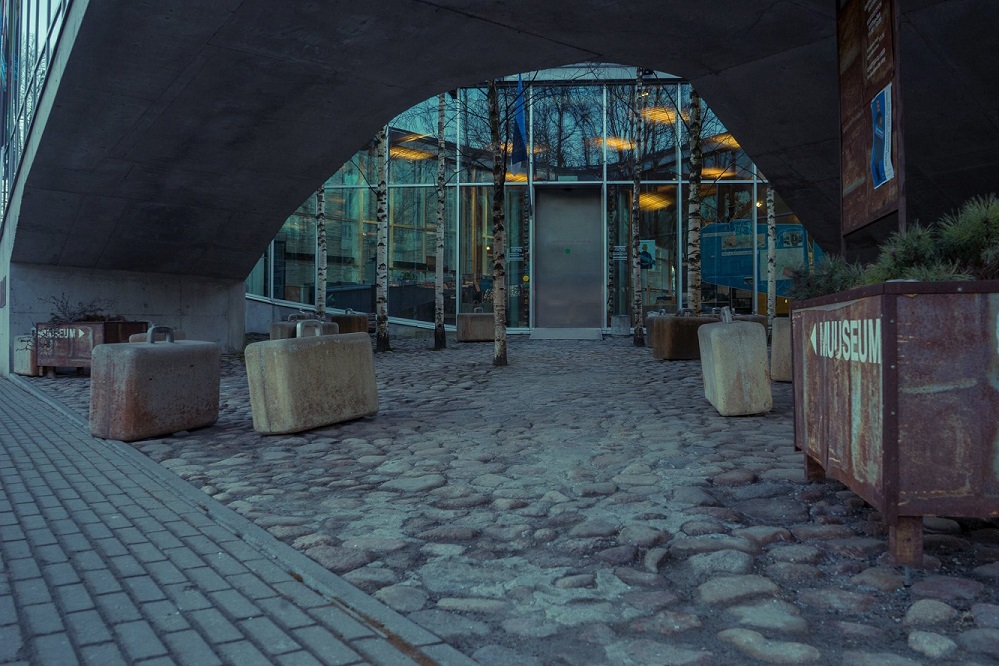
Eesti Teatri- ja Muusikamuuseum(Estonian Theatre and Music Museum) is located in Tallinn. The museum began as an attempt by Peeter Süda to collect Estonian cultural heritage in 1924.
The main goal of the museum is to introduce Estonian cultural heritage in the field of theatre and music.
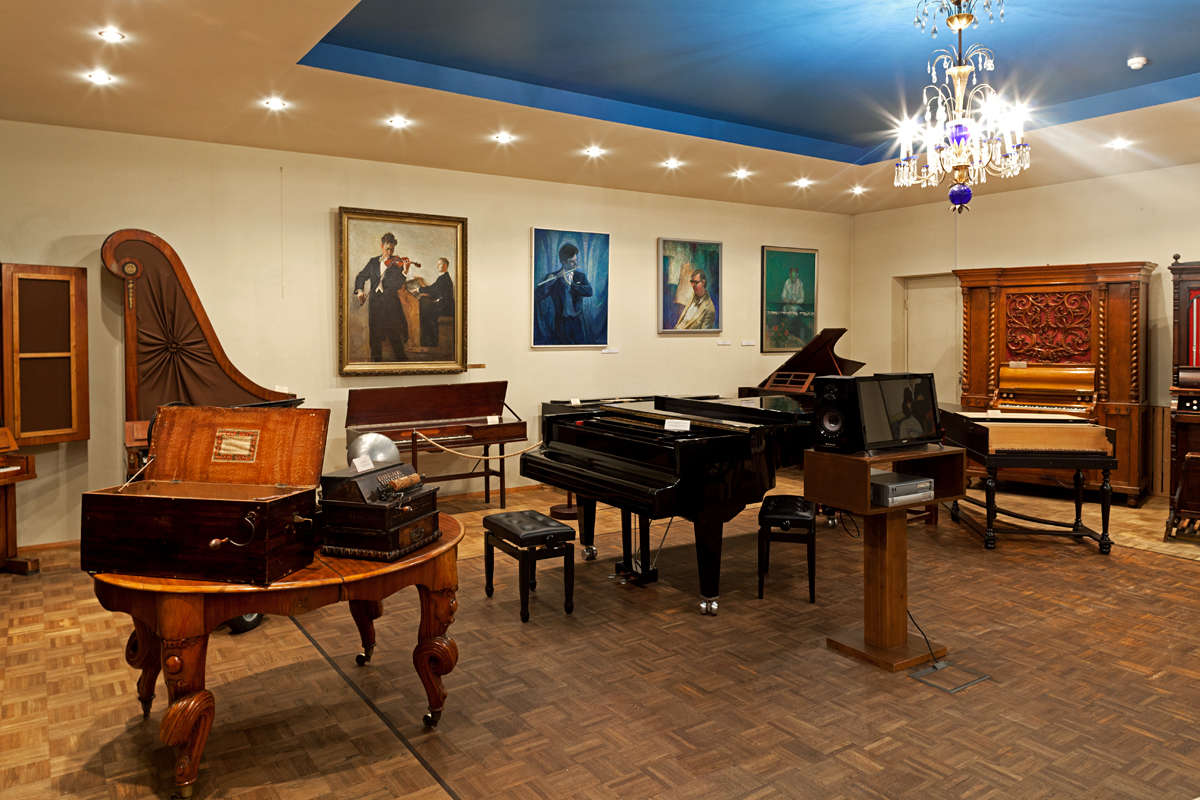
The museum’s main exhibition consists of musical instruments, but the museum also owns very large collections of sheet music, art and photos of Estonian musicians etc.
The museum might not be the most interesting place for small children.
Midsummer was celebrated long before the arrival of Christianity in Estonia. The arrival of Christianity, however, did not end pagan beliefs surrounding this holiday.
In 1578, with some disgust, Balthasar Russow wrote in his Livonian Chronicle
about Estonians who placed more importance on Midsummer than going
to church. He complained about those who went to church, but did not
enter, and instead spent their time lighting bonfires, drinking, dancing, singing and following pagan rituals.
official-estonia: The best-known Midsummer ritual is the lighting of the bonfire and the jumping over it. This is seen as a way of guaranteeing prosperity and avoiding bad luck. Likewise, to not light the fire is to invite the destruction of your house by fire. The fire also frightened away mischievous spirits who avoided it […]
The museum is located in a closed shale mine called Kohtla, in the village of Kohtla-Nõmme not far from the town of Kohtla-Jarve.
The museum’s Visitor Center is situated in the building of former Enrichment Factory, where visitors can learn interesting facts about shale and its mining in Estonia and the world. The underground part of the museum is a real mine, which was closed as recently as in the 1990’s, when it became unprofitable. At first, the plan was to simply flood the mine, but instead, it was opened to visitors as an interactive and educational museum.
Down in the mine, visitors can ride a miner’s train, taste a miner’s meal, see some underground equipment, walk through tunnels and drifts with a guide.
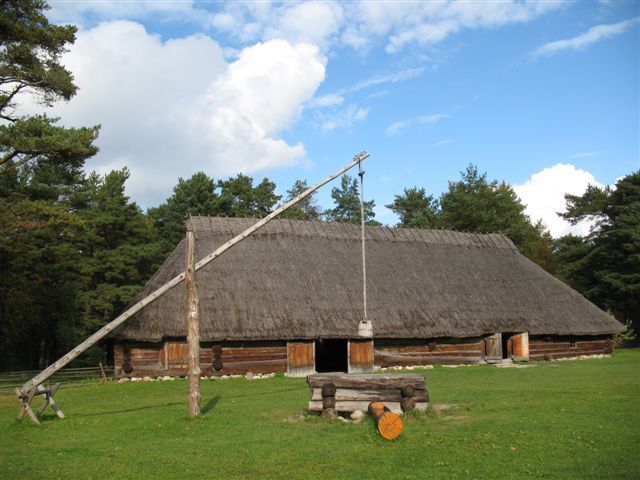
Eesti Vabaõhumuuseum(Estonian Open Air Museum) is located near Tallinn. The idea for the museum came to the founders of ERM in 1913, but the museum was actually founded in 1957 and opened in 1964.
The main goal of the museum is to preserve traditional Estonian culture and introduce it to people.
The museum is open 362 days a year and has two “seasons”, meaning that there are different activities for the summer season and winter season.
On 10 June 2017, 116 football matches were held in Estonia and Finland, to celebrate Finland’s centenary in 2017 and Estonia’s marking 100 years of independence in 2018.
Matches were held between all kinds of teams, including teams of both nation’s governments, police forces and actors.
Out of 116 games, Estonia won 60, getting the overall win, and Finland 52.
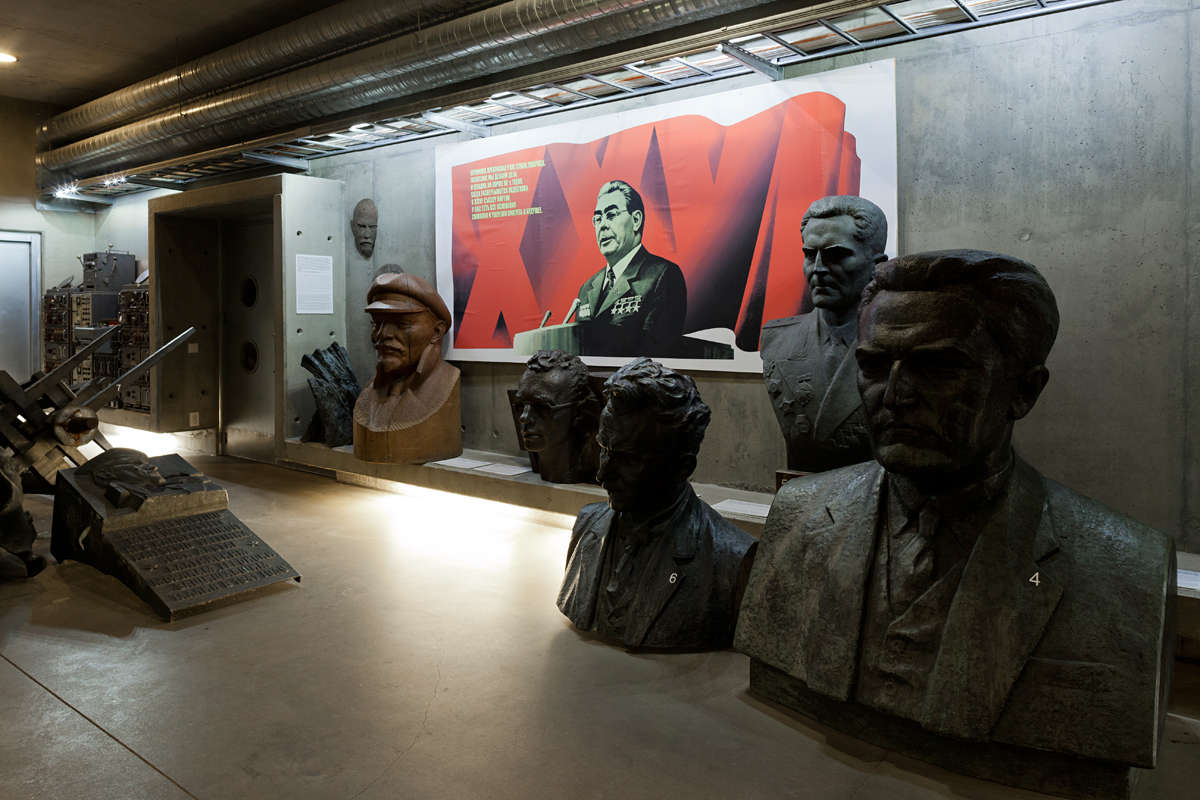
Okupatsioonide muuseum (The Museum of Occupations) is located in Tallinn, near the Freedom Square. The museum was opened in 1998.
The museum provides an overview of Estonian society during the first and the second Soviet occupation and the German occupation. The collection includes photos, videos and items from these eras.
The main goal of the museum is to introduce the contemporary history of Estonia to people.
This museum might not be the best place to visit with small children.
minus229k1: Kihnu, a small island off Estonia’s coast, is the only still known society fully run by women only. The economy relies on fishermen who leave their homes for months to travel to the Balic Sea, so their wives are raising the children and run the island. They cherish old traditions and pass them on. […]
Eesti Kunstimuuseum (Estonian Art Museum) was founded in 1919 and it’s goal is to collect and display Estonian art from the Medieval times until today. Eesti Kunsitmuuseum basically consists of five different museums: KUMU, Kadriorg art museum, Mikkel’s museum, Niguliste museum and Adamson-Eric’s museum which are all located in Tallinn.
KUMU is the museum of modern art and it has Estonian art from the 18th century until today. The museum was opened in 2006.
Kadriorg Art Museum has Western European and Russian art from the 16th century to the 19th century. The palace was built by the Russian tsar Peter the 1st as a gift to his wife Catherine in the 18th century.
Mikkel’s Museum features European and oriental art from Johannes Mikkel’s private collection.
Niguliste Museum has ecclesiastical art dating back to the Middle Ages. The church it is believed to have been founded in the middle of the 13th century.
Adamson-Eric’s Museum is dedicated to an Estonian artist called Adamson-Eric (1902–1968) and displays his art.


 Seekesotsibteadmist


)